1. Understanding RBI’s Model Risk Management Framework
What Counts as a Model
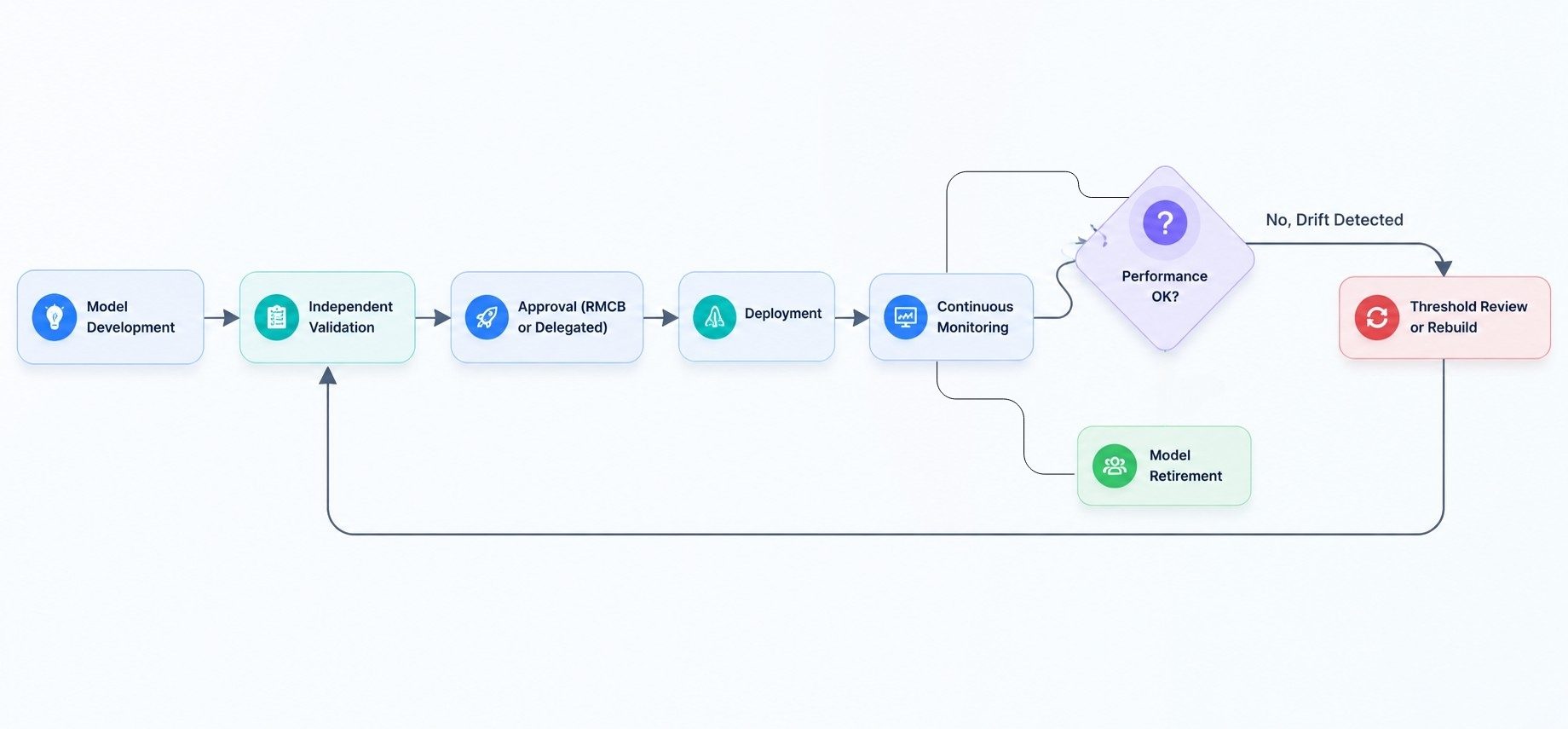
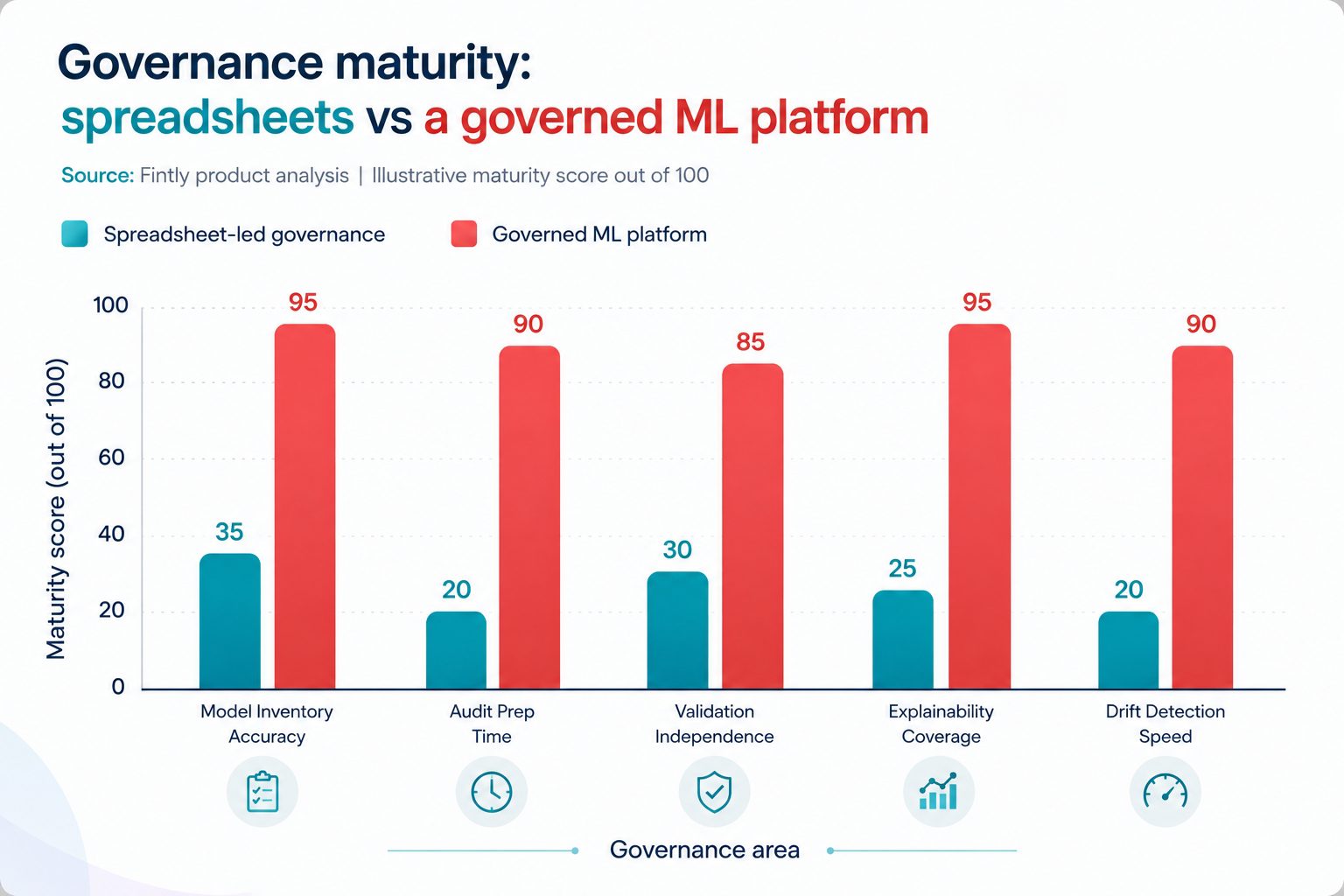
RBI defines “model” broadly. Under the draft guidance, a model is any system, method, or approach that applies quantitative or qualitative processing logic to inputs and produces outputs that materially influence a business decision. This includes traditional statistical scorecards, machine learning and deep learning systems, generative AI tools, and, notably, spreadsheets that drive a lending or pricing decision. Many institutions will discover, once they map their operations against this definition, that they are running far more “models” than their current inventory shows, including tools built by business teams outside the formal data science function.
Why RBI Introduced Model Risk Governance
RBI’s move follows two parallel tracks. First, the FREE-AI Committee report, released in August 2025, set out a broader vision for responsible AI in finance built around seven guiding principles, or “sutras”: Trust is the Foundation, People First, Innovation over Restraint, Fairness and Equity, Accountability, Understandable by Design, and Safety, Resilience and Sustainability. That report also proposed 26 recommendations across six pillars, including infrastructure, policy, capacity, governance, protection, and assurance.
Second, the draft Model Risk Management guidance translates those principles into specific, auditable requirements. It builds on an earlier draft that RBI circulated in August 2024 focused narrowly on credit models, and expands the scope to cover generative AI, foundational models, frontier models, and third-party models across nearly every category of regulated entity.
Which Institutions Are Affected
The draft guidance applies to commercial banks, small finance banks, payment banks, regional rural banks, cooperative banks, NBFCs across all four layers of RBI’s scale-based regulation, All-India Financial Institutions, asset reconstruction companies, and credit information companies. In practice, this means almost every entity RBI regulates that uses a model, in any form, to make or influence a decision that affects a customer or the institution’s risk exposure.